

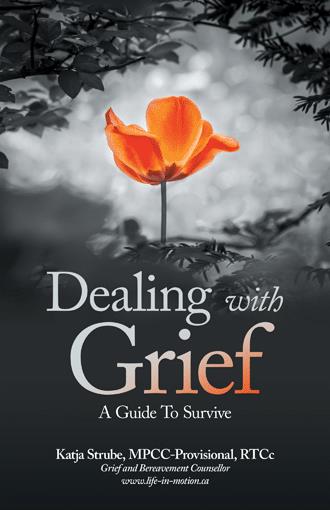
Dealing with Grief
A Guide To Survive
by
Book Cover & Preview Text
The truth is, there are no strict rules for grieving. When it comes to death, we don't receive a manual at birth. No classes in school can truly prepare us for how death arrives or for the range of feelings and reactions people have when someone special in their life passes away. In our society, many of us aren't naturally taught from a young age how to cope with loss. Culturally, we often face these feelings alone. Rituals passed down through generations and traditions are usually followed without question, and sometimes people hesitate to voice a desire for change. For some individuals, adhering to rules and rituals within specific timeframes and in prescribed ways after a loved one's passing can also bring a sense of relief. It can provide comfort and aid in the healing process. No one will be assigned to explain why we endure emotional pain and suffering, perhaps multiple times, until we may see a faint light at the end of the dark tunnel, if it exists. We all have different perspectives on life. Most importantly, we are all unique in our origins and in how we experience life and death. The truth is, whatever you believe is right. There is no distinction between men and women, old or young, or based on sex, culture, gender, religion, or race. When faced with loss, only human beings remain, and they must somehow process it to survive. What makes sense to some does not to others. What is appropriate to some is not for others. People may hide their feelings because of their beliefs and upbringing, while others allow feelings to surface. Some days are good, and then there are days when we can't function and want to be left alone. But there is an important thing to consider: There is no timeline attached to grief. When we grieve, we do not know how long it will take to finally cope; we may also be uncertain about which emotions will follow or whether we can control them if they suddenly appear. Yet our society, sometimes our families or friends, might put a label on how long it is appropriate to grieve. In many cases, it is not even communicated but expected in silence. This mostly happens because people who might cope with a loss more easily and in a linear way unknowingly set the tone for others. This is especially true in families, where we live together as a unit yet remain so different. And this is where the struggle starts. Trying to fit in still, in a setting where we lived before a loss, but now we feel somewhat alienated and lost. In the past, I have found myself trying to explain what was wrong with me when feeling overwhelmed and misunderstood. Time has passed, with some days feeling okay, only for the sadness and loneliness to suddenly overwhelm me again—heartache, deep sadness, and a sense of losing touch with myself. Being surrounded by loved ones who also grieve in their own ways, yet feeling isolated and disconnected. The truth is, whatever you believe is right. There is no distinction between men and women, old or young, or based on sex, culture, gender, religion, or race. When faced with loss, only human beings remain, and they must somehow process it to survive. What makes sense to some does not to others. What is appropriate to some is not for others. People may hide their feelings because of their beliefs and upbringing, while others allow feelings to surface. Some days are good, and then there are days when we can't function and want to be left alone. But there is an important thing to consider: There is no timeline attached to grief. When we grieve, we do not know how long it will take to finally cope; we may also be uncertain about which emotions will follow or whether we can control them if they suddenly appear. Yet our society, sometimes our families or friends, might put a label on how long it is appropriate to grieve. The truth is, whatever you feel is appropriate. There is no difference between men and women, old or young, or by sex, culture, gender, religion or race. Only human beings are left when faced with loss, and now they must somehow "go through" it to survive. What makes sense to some does not to others. What is appropriate to some is not for others. People may hide their feelings because of their beliefs and upbringing, while others allow feelings to surface. Some days are good, and then there are days when we can't function and want to be left alone. But there is an important thing to consider: There is no timeline attached to grief. When we grieve, we do not know how long it will take to finally cope; we may also be uncertain about which emotions will follow or whether we can control them if they suddenly appear. Yet our society, sometimes our families or friends, might put a label on how long it is appropriate to grieve. In many cases, it is not even communicated but expected in silence. This mostly happens because people who might cope with a loss more easily and in a linear way unknowingly set the tone for others. Especially in families, where we live together as a unit, yet we are still so different. And this is where the struggle starts. Trying to fit in still, in a setting where we sustained before a loss, but now we feel somewhat alienated and lost. In the past, I have found myself trying to explain what was wrong with me when feeling overwhelmed and misunderstood. Time has passed by, with some days feeling okay, only for the sadness and loneliness to suddenly overwhelm you again—heartache, deep sadness, and a sense of losing touch with yourself.
Select Format

Book Details
About the Book
Dealing with Grief is a compassionate and empowering guide for anyone facing the pain of loss and searching for a way to move forward. Written with warmth, clarity, and care, this book offers comfort for difficult days while helping readers understand that healing is personal, gradual, and deeply human. Through thoughtful reflections on mourning, emotional boundaries, self-compassion, and support, Dealing with Grief gives readers practical encouragement and emotional reassurance when they need it most. More than a book about loss, it is a trusted companion for finding strength, hope, and meaning in life after grief.
About the Author
Katja Strube has faced profound personal loss and found healing through her local hospice society. As a respected grief counsellor, she supports those navigating death and dying with compassion and insight. Her writing offers heartfelt guidance, addressing the fears, hopes, and emotions of those caring for a dying loved one.