

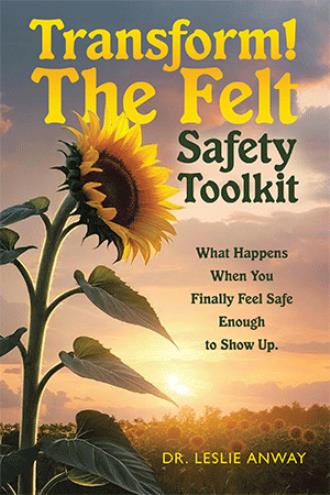
Transform! The Felt Safety Toolkit
What Happens When You Finally Feel Safe Enough to Show Up.
by
Book Cover & Preview Text
From Chapter 2: The Rust Shag Carpet - Author's Reflection When I think about gratitude—real, deep-in-your-bones gratitude—my mind doesn't travel to some grand moment of achievement or recognition. Instead, it takes me back to the scent of burnt carpet and the feeling of rust-colored shag beneath my bare feet. I was in sixth grade when my family moved into subsidized housing, and we were absolutely ecstatic to have something we could finally call our own space. After years of uncertainty, those walls represented security, possibility, and hope wrapped up in government-issued keys. What we didn't have was furniture or carpet. The floors were stark linoleum throughout, and one of our greatest wishes—the kind of wish that consumes childhood dreams—was to have carpet on which to build our home. We moved in with treasures that might have looked meager to some, but felt abundant to us: a reupholstered rocker that had been my grandmother's, carrying with it the weight of family history and countless bedtime stories; an old upright piano that my mother had saved for and purchased when she was just a teenager, its keys worn smooth by dreams of music filling our home; a stereo system complete with an 8-track player because music was big in our family—it was how we celebrated, how we processed, how we connected. We had five bed frames and mattresses for my three siblings, myself, and my mother, and a kitchen table with chairs where we'd gather for meals and homework and the important conversations that shape a family. We felt abundant! And in many ways, we truly were. I'll never forget the day my siblings and I decided to surprise our mother. Working with the creativity that necessity breeds, we quickly "built" a couch out of carefully arranged blankets and constructed a coffee table from sturdy cardboard boxes. When she walked through the door after a long day at work and saw our makeshift living room, she cried. Those weren't tears of sadness for what we lacked, but tears of overwhelming love for what we had created together—a home born from imagination and determination. But the carpet took some doing! When we heard that a local hotel had suffered a fire and was holding a fire sale, my mother didn't hesitate. She went right over and purchased enough rust shag carpet to cover our entire house. We were ecstatic! The day we installed it, rolling it out room by room, felt like Christmas morning stretched into an entire afternoon of pure joy. So happy and grateful were we to finally have that sweet, soft shag under our feet that we never once noticed the burnt smell that came with our bargain. Visitor after visitor would note, sometimes with concern, "Hey, it smells like something is burning in here," after walking through our front door. But not once—not once in the entire three years we continued living in that home—did I notice that lingering scent of smoke. Looking back now, I realize this wasn't about having a poor sense of smell or being oblivious to our circumstances. It was about the transformative power of gratitude to literally change what we perceive. When your heart is full of appreciation for what you have, the imperfections fade into background noise. That burnt smell that visitors immediately detected was completely overwhelmed, for us, by the softness under our feet, the warmth of family and sense of safety, and the deep satisfaction of having created something beautiful from very little. That rust shag carpet taught me that gratitude isn't about pretending everything is perfect or ignoring real challenges. It's about allowing joy and appreciation to become so present in your experience that they reshape your reality. We knew we were living with fire-damaged carpet, but what we felt every single day was the luxury of not having cold linoleum under our feet. Today, when I encourage others to integrate gratitude into their daily practice, I think of that carpet. I think of how a heart full of appreciation can make burnt shag feel like the softest luxury, how creativity born from love can turn cardboard into furniture, and how the things that matter most—family, home, the simple pleasure of music filling your space—have very little to do with having the "right" stuff and everything to do with recognizing the abundance that already surrounds us. This understanding transforms how we approach both individual wellbeing and organizational culture. When we cultivate genuine gratitude—not forced positivity, but real appreciation for what we have—we literally rewire our brains to notice opportunities instead of only problems, to see resources instead of only limitations, to recognize the support systems that already exist rather than focusing solely on what's missing. In workplaces, this same principle applies. Teams that practice specific, heartfelt appreciation don't ignore real challenges—they develop the capacity to hold both gratitude and growth needs simultaneously. They create cultures where people feel genuinely seen and valued, not just for their outputs but for their human qualities and unique contributions. This isn't about pretending workplace problems don't exist; it's about building the emotional resilience and collective strength needed to address those problems from a place of stability rather than scarcity. The rust shag carpet of my childhood represents something profound about human capacity: when we genuinely appreciate what we have, we create the internal conditions that make positive change possible. From that foundation of felt abundance—even when external circumstances are challenging—we can build, create, and transform in ways that simply aren't accessible when we operate from a mindset of lack and complaint. This is the foundation upon which all psychological safety is built: the recognition that we have more resources, more support, and more capacity than we often realize. When individuals and organizations learn to truly see and appreciate what already exists, they create the emotional ground from which authentic growth and positive change naturally emerge.
Select Format

Book Details
About the Book
Why do 60% of high school students experience chronic stress? Why do teachers, leaders, and employees across industries report feeling unsafe despite extensive security measures? The answer lies in understanding that true safety isn't about policies—it's about nervous systems. This book reveals how your internal state creates ripple effects that transform entire cultures. Through six evidence-based foundations—understanding why we feel unsafe, developing self-awareness, befriending your nervous system, practicing regulation and presence, cultivating gratitude, and choosing joy—you'll learn to create the felt safety that makes learning, innovation, and authentic connection possible. Backed by neuroscience research and filled with real stories from educators, leaders, and organizations, this blueprint shows how individual transformation becomes collective healing. When you learn to regulate your own nervous system, you become a secure base for others, proving that lasting change starts from the inside out. Your regulated presence is contagious. The question is: are you ready to become part of the solution?