

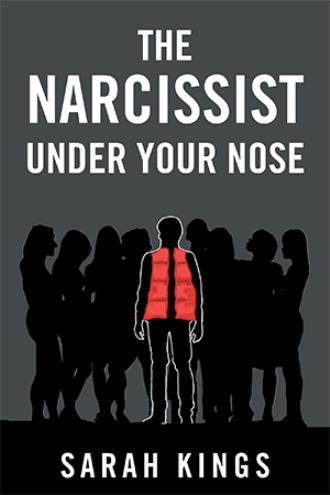
The Narcissist under your nose
by
Book Cover & Preview Text
Chapter Ten DNR The presence of a narcissistic individual can cast a dark shadow over relationships and environments, making it a toxic influence that should never be tolerated, particularly when it comes to the profound responsibility of making critical end-of-life decisions. The prospect of entrusting such monumental choices to someone defined by self-absorption, manipulation, and emotional detachment compels me to advocate for urgent reform. This stance is not just a theoretical perspective; it is deeply personal, rooted in my own experiences and memories of my mother, who faced similar mistreatment at the hands of my father, devoid of empathy during her most vulnerable moments. We all strive to do our best and navigate life's complexities; however, once a narcissist latches onto a person—whether that be a family member, friend, or even a patient—the prospect of escape becomes nearly impossible. These individuals possess an innate skill for manipulation, expertly exploiting the vulnerabilities and emotional weaknesses of those around them. The very thought of their existence fills me with a profound sense of revulsion; as an empath, it troubles me deeply to observe that someone could prioritize their own selfish desires at such critical junctures in another person’s life. Moreover, it is tragically common for narcissists to receive financial compensation for their roles as caregivers, introducing yet another layer of complexity to already precarious emotional landscapes. This arrangement often leads to insidious forms of financial and emotional abuse, further entraping vulnerable individuals within a web of exploitation. I assure you, these scenarios are not products of an overactive imagination—they occur alarmingly frequently and impact countless individuals and families. When you widen the lens beyond end-of-life situations and scrutinize relationships in romantic, platonic, or professional contexts—where many toxic personalities tend to thrive—you will discover that this reprehensible behavior permeates all realms of human interaction. The need for advocacy in these circumstances is not just necessary; it is urgent and imperative. What I seek to convey is that there should be absolutely no shame or guilt associated with falling victim to the manipulative tactics employed by narcissists. These individuals are remarkably adept in their deceit, exploiting the vulnerabilities of others with chilling efficiency to further their own agendas. Research suggests that approximately one in every six people exhibits narcissistic traits, making it highly likely that you have already encountered someone embodying such characteristics in both your personal and professional life. Recognizing their existence and understanding their impact is the first step toward advocating for change and supporting those who have been affected. Take heart; while you cannot change the intrinsic nature of a narcissist, you can certainly transform your perspective and approach to these troubling interactions. Consider viewing them as hollow vessels, devoid of genuine emotion, or as parasitic vampires who thrive on the energy and admiration of others. Employing vivid imagery like this can help you articulate your feelings of disdain and deepen your understanding of their moral decay, which often evokes shock and repulsion. By doing so, you empower yourself to navigate these toxic encounters with heightened awareness and a fortified sense of self. This shift in perspective acts as a shield, enabling you to establish healthier boundaries and safeguard your emotional well-being in the face of their toxic behavior. Recognizing their manipulation is the crucial first step toward regaining control and nurturing resilience against their influence. Kate's father's narcissistic traits became painfully evident during a critical moment when he callously disregarded her mother's clearly expressed wishes regarding her do-not-resuscitate (DNR) status. In a profound display of self-interest, he chose to initiate emergency procedures, which, although temporarily successful in maintaining life, ultimately hastened her demise within a month. This decision transcended simple misunderstanding; it showcased a haunting inability to empathize with the gravity of her condition. Their choices were likely tainted by a tangled web of motivations, notably the looming financial repercussions of her passing, which he seemed ill-prepared to face. The loss of her significant pension would leave Kate's father grappling with a daunting financial burden, adding layers of complexity to his actions. Some may contend that he genuinely loved her and was unable to bear the prospect of life without her. Yet, in that crisis, he chose to impose life-saving measures despite her explicit wishes. Had he adhered to her desire for a peaceful passing, he could have invoked the advanced care directive—a legal document encapsulating her preferences for medical treatment, including her DNR order. This vital directive should have been presented to the paramedics on the scene, granting them the opportunity to prioritize her comfort in her final moments. According to government guidelines (2020), even if an advanced care plan existed, unless the patient was in a palliative care situation or emaciated, the ambulance service would still respond in a emergency fashion. In Kate's mother’s case, faced with significant bleeding, if her caregiver—her father—ignored her wishes and withheld the advanced care directive, the paramedics would be duty-bound to initiate emergency action. The caregiver in this case held ultimate authority, compelling responders to act in order to avert potential legal repercussions, such as being sued for negligence in saving a life. However, this remains speculative, as only a handful of individuals were privy to the unfolding drama: Kate’s mother, her father, and the first responders. This anguishing scenario continued until she was taken to the hospital for a blood transfusion—a situation entirely outside the confines of her DNR order. On that fateful night, Kate’s mother should have been allowed to embrace death naturally as possible, with paramedics focused on ensuring her comfort. Instead, she survived only to be relegated to palliative care—a fate she had vehemently sought to avoid, as she had been secretly stockpiling endone in a desperate bid to end her own life on her own terms.
Select Format

Book Details
About the Book
In this profoundly moving and heartwarming true story, we follow Sarah on her courageous journey as she confronts the toxic influences in her life, particularly her self-absorbed father, Neville, whose presence looms large over her and her family. As she navigates the rocky waters of painful experiences and emotional turmoil, Sarah embarks on an enlightening path of self-discovery. Throughout this journey, we uncover remarkable strength and resilience within her, showcasing the transformative power of courage and the unwavering spirit of the human heart. As she grapples with the turbulent currents of her relationships, Sarah takes the time to document her experiences. This effort forges a deep bond of solidarity, helping her untangle the complex web of behavioral patterns that have held her captive for far too long. With relentless determination, she sets out to master the art of establishing healthy boundaries, reclaiming the agency she once believed was lost and illuminating her path with newfound strength and clarity. Her resilience shines brightly, casting a warm glow that not only guides her way but also serves as a beacon for others struggling in the grip of toxicity. This transformative journey stands as a powerful reminder of how the combination of courage and vulnerability can spark meaningful change, reaching beyond the individual and impacting future generations. Sarah envisions a vibrant future filled with love, respect, and nurturing connections, breaking the chains of narcissism and establishing a legacy of emotional wellness for her children and for those yet to come.