

Graveyard
Where Pain is Laid to Rest: A Chiropractor's Ritual of Renewal.
by
Book Cover & Preview Text
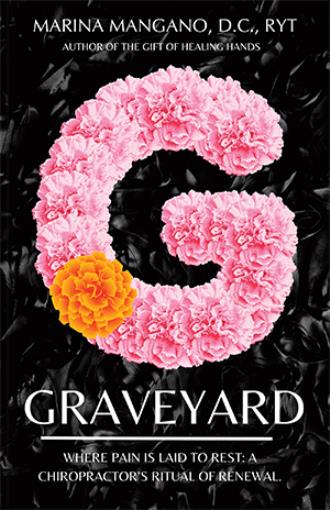
It's amazing (yet gut wrenching) to witness the purity of a baby experiencing their first pains. Babies have little to no threshold before discomfort reaches an intolerable level, making their reaction seem instant compared to a peaceful demeanor just moments before the shift. I noticed this at my son's second visit to his pediatrician. He happily babbled and reflexively kicked until being held still for the moment while a needle was inserted into his chunky little thigh. He didn't register any change in his environment as the nurse broke skin but right after she removed the syringe, it was immediate. A downward bend of the lips and crumpled cheeks silently prefaced the quick change of his skin tone and audible yelling. To a new mother's ear, it was a cry I hadn't heard yet; a subtle tone change that didn't sound like my son's normal cry for food or sleep. I remember thinking, maybe this was his“I've been injured sound?" The jarring sound of an infant's cry is the only thing in their arsenal of communication to translate pain to us. Fortunately, as we age, we develop a complex emotional system that allows us to choose our response to pain along with designing a personal brand for demonstrating the experience. Even in that sleep-deprived stage of life, my fascination with pain responses was alive and well. I'm committed to helping my son foster a loving relationship with his sensations so, starting that day, I touched his pain but kissed his forehead in hopes of reaching his mind. A United Mindbody If you consider yourself new to expressing subtle symptoms within the body, fear not! I ask patients of all levels of self-awareness the same basic questions to help them locate their pain experience. Stemming from the mind or body alike, I don't want anyone to think they fall too far on either side of the emotional scale, from “I'm unable to help myself with this forever discomfort,”to the other side of “this isn't real and I'm doing this to myself?” Both extremes are unhelpful to your restorative rituals and prevent you from forming a partnership with your doctors in any health routines. Try to stay centered in your mindbody during any healing education. Learn what facts you can but then immerse yourself in rituals that allow you to feel that unscientific things are also important. Meditation, painting, prayer, singing…these rituals for maintaining peace are precious. Especially for those who have asked themselves the million-dollar question, “Is this pain truly a physical issue or not?” The simplest way to assume you are dealing with a physical imbalance is to see the types of healthcare practitioners that could alleviate a structural issue. The massage, the adjustment, physical therapy, and a trip to the orthopedist, are all there for you to restore physical injuries. Starting the process with one of these manual therapists is the best way to decide if your discomfort stems from a physical misalignment. If it does, these providers are very likely to help alleviate it, or at least, change the sensation. It may seem late in this book to get to the hard facts, the points of pain that can be touched, but for many who suffer from an injury or severe "hurt,”they rarely enter the clinical word in a timely fashion. At-home mental healing, restoring energy and routine, and true wound healing are the priorities in those early phases of recovery. Then, we meet. Intangible Medicine On my treatment table, I guide my patients to usher pain to the surface of their graveyard, so that we can help it pass. Possibly stimulated by an adjustment, a firm pressure point, or deep breathing, I’ve witnessed countless examples of resurrected pains leaving the body through tears, gasps, or yawning. Even the rare extreme cases of patients vomiting or passing out during a simple visual. What yoga teachers may call an emotional release; people describe it as an overwhelming flush of sensations that involuntarily take over the body. Tingling, cramping, heat; things that would remind you of the preemptive signs of throwing up or crying, this welling up of insight (in a protected environment) is considered a "good thing.” As I feel someone on the brink of a release, see the waters rising or feel muscles on the brink of ease, I recommend that they speak to their body, egging it on so that the sensation“goes where it needs to go.” Freeing a stagnant sensation from its previous captivity may feel like a baby squirming inside. It is impossible to articulate like the person next to you, but felt by so many, this miraculous reminder that life inside can speak for itself. You may feel pain shifting, dancing between locations or morphing into different types of pain, "It was just a stab near my torso but now it’s wrapping down into my entire glute." Like a criminal that returns to the original scene of the crime, travelling pain can be encouraged to relocate itself to the priority area that needs to be addressed,“Instead of the whole low back, it feels more isolated now to this point.”Once home again, it's easier to clear the shy or rebellious pain. Addressing this fluid type of pain, what I call intangible medicine, helps determine if perceived discomfort is less of a musculoskeletal injury and something that will need more mending through mindfulness. My favorite moment in first meeting someone in pain is their impressive attempt to touch the point under their shoulder blade that is "stabbing them." It never fails; we as a species must be incapable of verbalizing pain without simultaneously trying to act it out or touch it to see if it's still there. I assure them, "if it is a true physical issue, it won't move until we work on it.”
Select Format


Book Details
About the Book
As a chiropractor and yoga teacher, Marina had long helped patients overcome pain and fear of movement through her unique approach to care. But when her path to motherhood unraveled, she faced a pain that she couldn't fix—and a story she couldn't escape. Through this firsthand experience, she learned why her patients used metaphors and symbolism to express emotional pain that couldn't be fixed by normal medical care. To heal, Marina had to return to the very tools she once trusted, layer by layer, confronting what it meant to feel“broken.” This self-help guide offers an intimate journey through pain and transformation—a metaphorical walk where old selves are laid to rest and new growth begins. For mothers, the surgically altered, the chronically injured, and the heartbroken alike, fear is the gatekeeper to your restoration. With simple, grounding practices, you'll learn to reconnect with your body, reshape your self-image, and find peace in your new form.
About the Author
Dr. Marina Mangano, author of The Gift of Healing Hands, is a restorative chiropractor and yoga teacher that helps patients integrate intuitive healing techniques into their life. Of the techniques she is most passionate about, the physical manifestation of emotions is her focus. Now, with her husband and two children, Marina lives in Wildwood Crest, NJ, enjoying a life of beaches, babies, and books. She spends her mornings in the garden, healing patients throughout the day, and saves her evenings for writing about the inspiring stories she learns through it all. www.chiroyogaflow.com