

When The Road Ends, Love Builds A New One
by
Book Cover & Preview Text
“YOUR SON’S AWAKE.” An unexpected phone call from Mom jolted me out of a deep sleep. “Oh my God, that’s outstanding!” I yelled. “Now he needs to be strong enough to get off all the life support and come home.” The words replayed in my mind, each repetition carrying a surge of hope. But hope, I had learned, was fragile. Mom called several hours later. Despite the earlier good news lifting my spirits, I was blindsided by the updated information. “The Singapore doctors are not optimistic about your brother’s rehabilitation,” she said. “The best they hope is for John to feed himself and control his bladder. The most common physical actions we take for granted will challenge him. Things like sitting up and even holding a cup are going to require total focus.” “Mom . . . that’s really upsetting!” “Yes, but they said his instinctual memory is going to help him perform those tasks. You know your brother. This is going to frustrate him, but he’s a fighter. The doctor said to be prepared for successes and failures during his recovery. John is conscious, but he’s not fully aware. He drifts in and out. When he does open his eyes, there’s no real focus.” Still, I imagined my brother, his eyes scanning the room, recognizing faces, cracking a joke in his usual dry humor. But reality was crueler than imagination. I pressed my fingers against my temples. “So what are they saying? What’s next?” “They don’t know. His brain activity is unpredictable. Recovery is possible, but the extent? No one can say. There’s no certainty, no answers.” Weeks passed, each one a mixture of setbacks and small victories. John’s eyes fluttered open more frequently, though his gaze was unfocused. His fingers twitched. He made faint noises—nothing coherent, but proof that his brain was trying to reconnect. Decreased brain swelling and transition from a ventilator to independent breathing were indications of John’s improvement. And then one morning my phone rang earlier than usual. My stomach clenched. “Nansie, he said something,” Mom said. I nearly dropped the phone. “He spoke?” “Just one word,” she said, her voice trembling. “But yes. He whispered, ‘Water.’” I clapped my hand over my mouth. Water. A simple word, but it meant everything. It meant he was aware. It meant he needed something. It meant some part of John was still in there. The doctors remained cautiously optimistic, but for me, that one word was the most powerful sign yet. My brother was fighting his way back to us. I now believed he would make it. Days turned to weeks. John’s progress remained slow but steady. The doctors in Singapore continued monitoring his condition, adjusting his care based on the smallest signs of improvement—yes and no responses, longer periods of wakefulness and attention. Mom’s calls became my lifeline, each update dictating the rhythm of my emotions. Since early calls rarely brought good new, I hesitated one morning before answering the phone. Mom’s voice, soft yet filled with urgency, came through the line. “Your brother has the strength to return to the States,” Mom said. Happy tears streamed down my face! “He’s scheduled to land at the Los Angeles Airport before heading north,” Mom said. “Great news! I’ll get to see him before they drive him to Santa Barbara. Send me the flight schedule when they make the arrangements.” John Returns Home The day arrived. I entered the automatic double glass doors to the entrance of Los Angeles International Airport. I scanned the endless stream of travelers. Will I find him? What if he doesn’t recognize me? And then I saw him. By some miracle he was on a stretcher twenty feet in front of me, his body fragile, his eyes open. Ten minutes later, I would have missed him. Our eyes met as I walked toward him. “Hi, Goat,” he said, his voice flat and strange, but his words unmistakable. He couldn’t sit up. I kissed him on his forehead. He drifted in and out of awareness. A few minutes later the medics picked up the stretcher, placed him in the ambulance for his trip to Santa Barbara. Not enough time. I wish I could climb in the ambulance, hold John’s hand, keep him company. The doors closed. The red lights flashed as the ambulance merged with the airport traffic. I watched its slow departure until it disappeared. I called our parents to let them know John’s arrival time at Cottage Hospital in Santa Barbara. Images of John on a stretcher kept flashing through my mind. I couldn’t work. Watery vision made driving difficult. I pulled to the side of the road, buried my head in my hands. I tried to hold back the tears wetting my blouse. The picture of my hero in a vulnerable state, wounded and barely able to move let alone speak, clouded my thoughts. My memory of John prior to his accident blurred into the background. I lost track of time. The day turned to evening before I managed to get myself home. Mikey once said to me at the time of the divorce, “Don’t hero worship me. Don’t expect me to be anything more than what I am. I’m not perfect. When you place me on a pedestal, I have a long way to fall; when I fall, it’s difficult to recover and live up to your expectations.” Now I needed to apply those words to my relationship with John. Head injuries from accidents and strokes contribute to two million annual traumatic brain injuries from all sorts of situations: car, motorcycle, and e-bike accidents as well as aneurysms. How delicate life is. One moment there’s an exciting adventure in your future; you have dreams to fulfill. The next moment you’re struggling to survive. When John drove off that road in Borneo, he became one of those trauma survival stories. John headed toward Santa Barbara. I dried my tears. Will he ever drive the blue Porsche he dreamed of owning or complete his BA degree?
Select Format

Book Details
About the Book
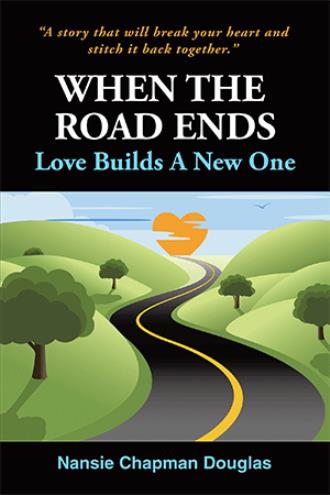
When a devastating car accident leaves her brother John in a coma halfway across the world, Nansie is thrust into a role she never imagined: caregiver to her older brother. What follows is a deeply personal, often heartbreaking, and unexpectedly humorous journey through trauma, family dynamics, marriage under strain, and the miraculous act of holding on to hope. This memoir isn’t just a story about recovery; it’s about the often-unacknowledged work of carrying the weight of someone else’s healing along with holding a marriage and business together. Woven with moments of laughter, brutal honesty, and deeply earned wisdom, this memoir is a lifeline for caregivers, especially parents, siblings, adult children, extended family, or friends of acquired brain injury patients. This memoir will touch anyone who has ever had to rebuild after everything falls apart. With “Lessons Learned” summaries at the end of each chapter, this book is both memoir and manual. It’s a guide for navigating the heartbreak, hard work, and beauty of not only caregiving but also of the courage to keep showing up during life’s hardships and challenges. It’s a reminder that even in the darkest detours, love can build a new road forward.
About the Author
Nansie Chapman Douglas offers a raw and reflective look at what it means to love someone back to life, even at immense personal sacrifice. With a master’s degree in clinical psychology and experience as a counselor, magazine publisher, and lifelong songwriter/storyteller, it is her decades of real-life experience as a caregiver to her older brother that gives her writing its authenticity. Nansie lives with her husband John and their cat Ellie in Santa Barbara, California.