

The Joy Revolution
Find and Maintain Happiness When You Feel Overbooked or Overwhelmed
by
Book Cover & Preview Text
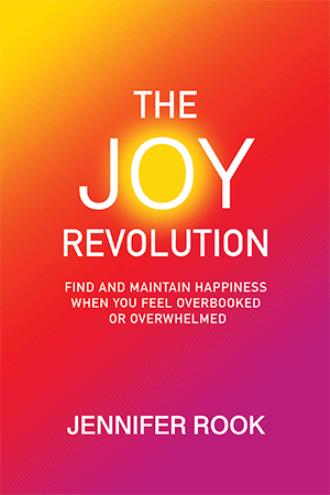
We are living during a time when there is more information than ever before about how to stay mentally and physically healthy. The internet and social media houses a plethora of diets, workouts, and guided meditations. You can even receive therapy from a licensed mental health professional through an app on your phone. With all of these resources, why is the health of our country declining instead of thriving? Because we are chasing our wellness like we do everything else in life. We are just trying to keep up. We are overstimulated, overwhelmed with information, and overbooked in our daily routines. With all of this chaos, we have lost touch with what we really need. We have also become disconnected from moments of peace and stillness in daily life. Furthermore, society defines “self-care” as a restorative break, making it yet another impossible task to prioritize outside of our normal routines, and another thing we feel we are not managing well. We have also started to accept suffering as a normal state. I have come to despise the popular phrase, “It’s okay to not be okay.” I appreciate the sentiment it was initially intended to convey in encouraging people to reach out for help and admit that they were not well. But I no longer see the phrase associated with its original intention. Instead, I fear it is used as an excuse, as permission to accept pain as normal, and an opportunity to give up on happiness. We have lost hope and increased our sadness, fear, and despair. Our anxiety, fear, worry, despair, hopelessness, anger, and negative attitudes are shaping the personalities of the young people growing up in our presence. We need to do better, and in order to do that, we need to feel better. How do we do that? We need to connect with joy. Joy is often perceived as a destination, something we are trying to attain by achieving our goals. We assume joy will be the result of our lives going well, so we focus on those things we believe will make us happy. We often pay more attention to the things that do not seem to be working out in our favor or the lack of things we think we need in order to be happy. But joy is not something separate from us. Joy is internal, waiting to be awakened from within so it can guide us. If we can learn to jump-start joy and maintain our connection with this emotion, we can make decisions with clarity. We can manage challenges without as much distress, and we can connect with others authentically with love and compassion. It is time for a joy revolution. We own our joy, and no one can take it from us. We can command joy, and we can demand the right to be happy. We can and we should fight for it. I consulted my friend ChatGPT many times when exploring a title for this book, and one day I asked it what it would mean to revolutionize joy. The answer: “to radically transform the way we think about, experience, or pursue joy.” I continued using this tool to explore how the term revolutionize connected to this book and grew more attached to the word. Through the revolution, we are reclaiming joy from commercialized, self-care-driven narratives. We are challenging the idea that joy is something we need to chase or purchase. And we are positioning joy as a form of resistance or liberation rather than a passive, self-soothing experience or a buzzword. Joy is powerful, purposeful, and a force for change. Joy is liberation. And this is a revolution. When I tell people about the topic of this book, I worry that it will come across as if I have mastered joy, that I am always happy, and that I am out of touch with the pain and tragedy that exists in the world. This book is not about staying positive or ignoring pain. It’s about reigniting hope for our future. I am not always happy. There is usually some other emotion overpowering my joy, and it typically stems from stress. I’m a classic type A personality, and I run a little on the anxious side. I channel my anxiety through hyperproductivity, staying busy, and keeping my body as active as my mind. I make lists to help manage the constant stream of thoughts about what I should be doing to fill my time. These lists also help me manage a pretty busy life, juggling a full-time job with my role as a parent of two young children, negotiating multiple schedules and priorities, and making sure I don’t drop any balls. Sitting still is pretty uncomfortable for me, because I feel like I am wasting time. Even though I do not feel happy as much as I would like to, I am still the happiest I have ever been. Studying psychology helped me learn a lot about myself and about how the human brain works. I gained insight into why I do the things I do and have a better awareness of how I might project my anxiety onto other people. I’m able to take a step back and analyze my thoughts and behaviors. Over the years, I’ve learned how to better manage my stress. This is why it was always important to me as a therapist to educate my clients on what was happening in their brains. I strove to help them separate themselves from their minds so they could harness the power to override its default programs and take control of their happiness. Understanding how our minds operate is the key to nurturing and improving our mental health. Now I want to share this knowledge with you.
Select Format

Book Details
About the Book
Despite unprecedented access to self-care resources, we have never been more overwhelmed and disconnected from genuine happiness. We are chasing wellness like everything else in life, desperately trying to keep up with the latest trends while losing touch with what we actually need. But here is the truth: Joy is not a destination you reach after perfecting your life. It is already inside you, waiting to be awakened. The Joy Revolution is about reclaiming joy from commercialized narratives that tell us happiness must be purchased or achieved. This is not about toxic positivity or ignoring pain. It is about reigniting hope and redefining happiness. This book introduces GRACE, a practical method for accessing joy without adding more to your overflowing plate. Discover the neuroscience of emotion, learn to take charge of your thoughts and feelings, and reprogram your mind so joy becomes a natural, recurring experience. By weaving joy into daily life, you can break free from ingrained patterns that trap you in stress and sadness. Jennifer Rook writes with professional expertise and personal honesty, offering real tools from someone who juggles a demanding career with parenthood and walks the path herself. This is an invitation to reclaim your joy and radically transform your life. The power to change lies within, and the revolution starts now.
About the Author
Jennifer Rook is a licensed clinical professional counselor and board-certified music therapist with a multifaceted approach to healing and wellness. With over twenty years of experience in mental health and creative arts therapy, Jennifer has dedicated her career to expanding access to care and building therapeutic communities rooted in equity and compassion. She has served as the president and CEO of two nonprofit organizations dedicated to supporting the needs of those with mental health conditions and neurodiversity where she pioneered innovative therapeutic programs and grew capacity to serve thousands of individuals. A visionary advocate for mental health and joy, Jennifer has been featured in numerous media appearances and brings her expertise to professional conferences and events throughout the country. Raised and still living in the Chicago suburbs with her family, she believes that mental health and joy are fundamental human rights, and she is committed to making them accessible to everyone. Connect with Jennifer Instragram: @find_joy_within LinkedIn: jenniferrooklcpc Facebook: jenni.rook.7